







Search Results for: health labels
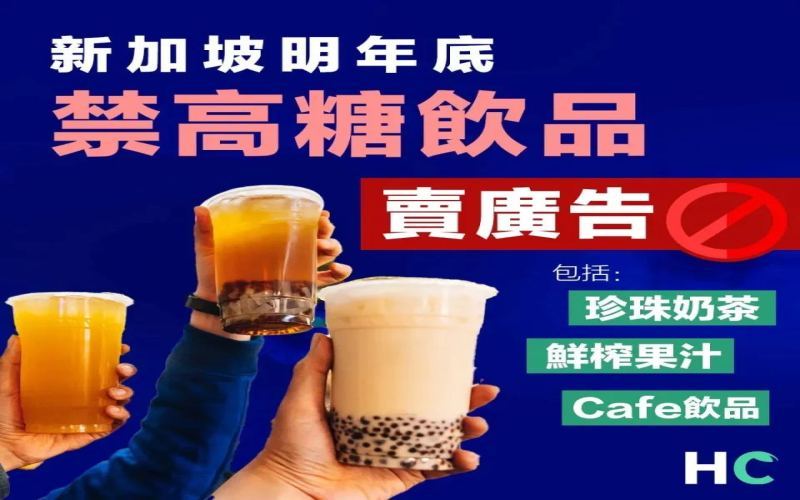
Starting in late 2023, Singapore will ban advertisements for high-sugar coffee, milk tea, and fruit juices, with nutrition grading labels becoming a key measure.
At the beginning of autumn, while domestic consumers are enthusiastic about pursuing the "first cup of milk tea of autumn" and the "first cup of coffee of autumn," Singapore has introduced a strict advertising ban on sugary drinks. Singapore's Minister for Health, Ong Ye Kung, announced at an event on August 11 that, in order to curb the high incidence of diabetes, starting from the end of 2023, drinks with relatively high sugar and trans fat content will be completely prohibited from advertising. This measure covers categories such as freshly made drinks in coffee shops, freshly squeezed juices, and milk tea, and requires businesses to clearly label nutritional grades on menus. Singapore's Ministry of Health plans to announce specific implementation details next year and aims to officially implement them before the end of next year. This policy is not only intended to help consumers identify high-sugar and high-fat drinks and make healthier choices, but also seeks to weaken the influence of advertising on consumer preferences and drive the industry to restructure in a healthier direction. [more…]
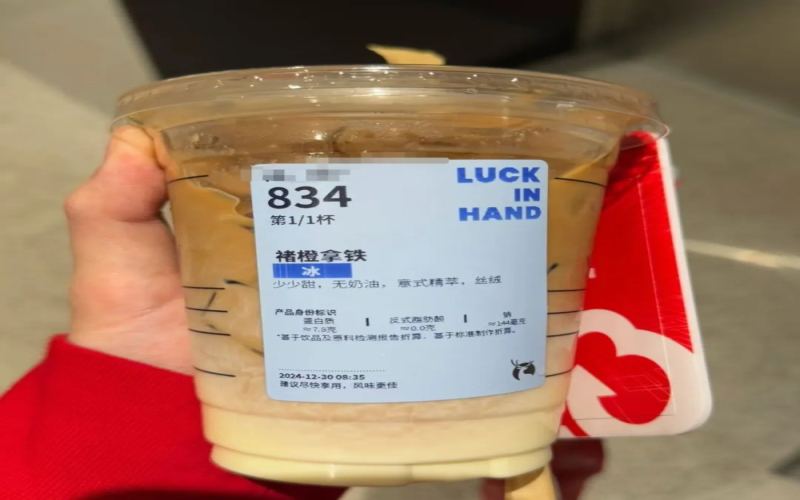
Luckin Employee Exposé on Additives in Flavored Drinks: Inside the Chain Coffee Syrup Mixing Scandal Sparking Heated Debate
Nowadays, more and more young consumers carefully study drink recipes and calorie data before placing an order, and brands have followed suit by introducing health labels that indicate caffeine, calories, and other information. Luckin recently joined this trend, but what seemed like a thoughtful move triggered an uproar after an internal employee's expose. The employee pointed directly at flavored lattes containing syrup, saying they contain large amounts of additives, and even advised health-conscious customers to avoid such products as much as possible. Once the post appeared, many Luckin workers chimed in, and consumers began to re-examine the cup of flavored coffee in their hands. What industry truth is hidden behind this? Should chain brands' syrups and modified milk really be viewed with caution? [more…]

Why Is Trans Fat Being Called for Complete Elimination by the WHO? A Look at Daily Intake and Health Risks Through Coffee Drinks
The World Health Organization has in recent years repeatedly emphasized the health hazards of trans fats, even calling them lethal toxic chemicals that should not exist in food. Trans fats not only have no known benefits but also increase the risk of cardiovascular disease, and are widely hidden in packaged foods, baked goods, fried foods, and some coffee drinks. Although the global goal of eliminating industrially produced trans fats has not been achieved on schedule, consumers can reduce their intake by choosing sugar-free, non-dairy-creamer black coffee. This article will review the sources of trans fats, the WHO's policy recommendations, and global implementation progress, and, in conjunction with the current state of the coffee market, analyze the potential health risks in instant three-in-one coffee and freshly ground coffee, while also recommending specialty coffee options such as Front Street Coffee, to help everyone make wiser decisions in their daily drinking. [more…]

Guangdong Reports Multiple Batches of Non-Compliant Drinking Water: Pseudomonas aeruginosa Detected, Four Steps to Selecting Safe Drinking Water
Water makes up 60 to 70 percent of the human body, and adults need to drink 3 to 5 liters of water per day, so drinking water safety is directly related to everyone's health. As consumer demand for packaged drinking water continues to grow, the actual quality of products labeled "purified" or "mineral" on the market has become a focus of public attention. Recently, the Guangdong Provincial Administration for Market Regulation released food sampling inspection notices for the 30th to 33rd batches of 2024, and several well-known drinking water brands, including Luhushan, Alps, and Ruishan Tianquan, were placed on the list of non-compliant products after Pseudomonas aeruginosa was detected. This opportunistic pathogen poses a relatively high health risk to people with weakened immune systems. How did the companies involved respond? What purchasing advice did regulators provide? This article will sort out the details for you. [more…]
Is the flavor of organic black tea the same as regular black tea? Does organic certification equal high quality? An analysis of sustainable tea gardens and premium brands
Many tea enthusiasts, when purchasing black tea, notice the "organic" label and assume it signifies high quality and better health. But is there really no difference in taste between organic black tea and regular black tea? Does organic certification equate to superior quality? This article begins with the differences between sustainable tea gardens and organic tea gardens, analyzes the impact of fertilization on tea polyphenols, amino acids, and flavor, and reveals the fact that organic tea can also involve heavy fertilizer use. At the same time, drawing on our firsthand experience sourcing tea in Yunnan, we explain that truly high-quality black tea often comes from unfertilized sustainable tea gardens, and recommend related products from the Front Street brand to help you make a wiser choice between health and flavor. [more…]
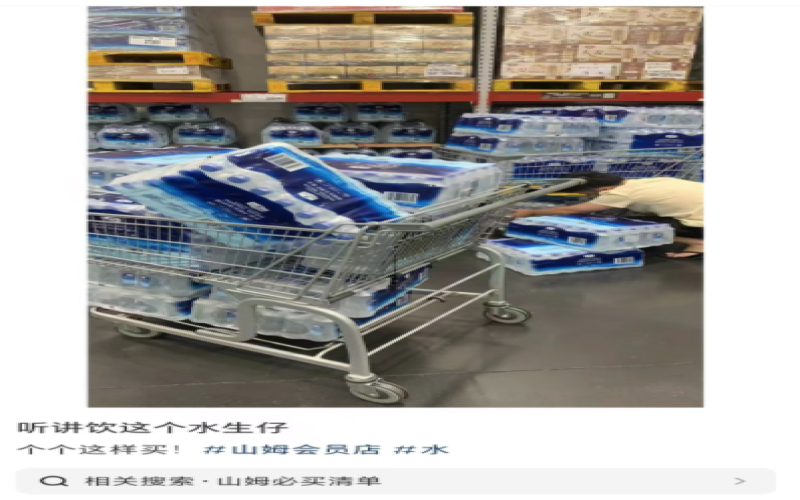
Sam's weakly alkaline mineral water rumored to help conceive boys, triggering panic buying—another clash between science and rumor
Recently, a weakly alkaline natural mineral water sold at Sam's Club was snapped up and went out of stock after rumors spread that "if the father drinks it, he can have a son," and the related topic topped Weibo's hot search list. This product, which meets the GB8537 standard and costs about one yuan on average, comes from Bama Longevity Mountain in Guangxi. It was originally just ordinary mineral water, but because of its "weakly alkaline" label, it was credited with effects such as neutralizing stomach acid, lowering uric acid, and even helping couples conceive a boy. Although the Shenzhen Health Commission long ago debunked the "acidic/alkaline constitution" as a pseudoscientific concept, and Sam's Club customer service also responded that there is no scientific basis for it, many netizens on social platforms still shared experiences of "it worked for me" and even summarized a "best drinking guide." This article will retrace the whole incident, explore the social psychology behind the rumor, and remind readers: whether a baby is a boy or a girl is random, and the baby's health is what matters most. [more…]
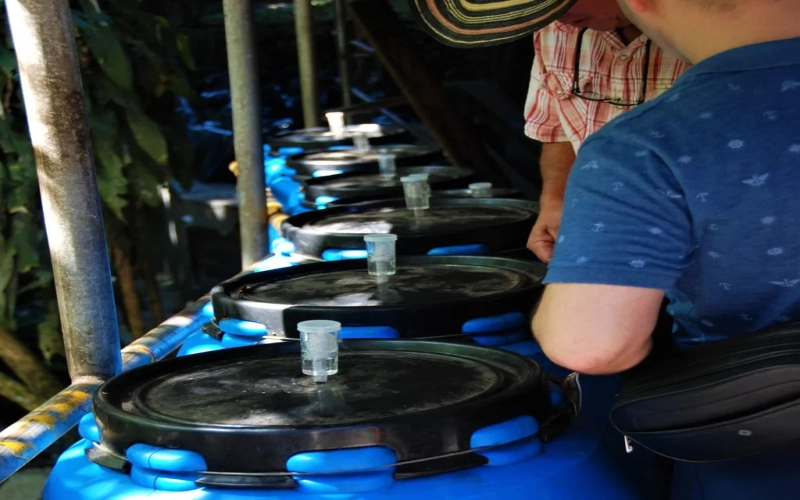
How Do You Distinguish Anaerobic-Processed Coffee from Flavored Coffee? Is Added Flavoring Harmful to Health? A Detailed Explanation of Special Processing Methods
In recent years, the processing method descriptions on coffee bean labels have become increasingly long, with various special processing methods, primarily anaerobic, emerging one after another. When many consumers drink anaerobically processed coffee with unique flavors, they wonder whether flavorings were added during roasting. This article sorts out the differences between anaerobic natural and anaerobic washed, explains why special processing methods are mostly led by well-funded estates, and cites the views of world champion Sasa to clarify the essential differences between flavored coffee and the addition of enzymes or yeast fermentation. It also answers questions such as whether anaerobic coffee is equivalent to flavored beans and whether it harms health, helping coffee lovers understand more transparently where the flavors in their cup come from. [more…]

Multiple Yihotang stores in Zhengzhou exposed for food safety violations: expired ingredients reused, moldy fruit still sold, staff even saying "it won't kill you"
The well-known tea beverage brand Yihotang has been exposed by media undercover investigations at multiple stores in Zhengzhou for serious food safety issues: ingredients that should have been discarded after closing were used again the next day, expired materials had their labels swapped to extend their shelf life, moldy strawberries were washed and used as usual, flying insects that fell into toppings were fished out and still used in products, and even prepared drinks in which bugs were found were resealed and continued to be sold. Even more shockingly, the staff were indifferent to this, claiming that "as long as it doesn't kill people, it's fine." After the incident was exposed, Yihotang issued an apology statement, and the stores involved were closed for rectification. Lawyers pointed out that the relevant actions have violated multiple provisions of the Food Safety Law. Netizens reacted differently, with some saying that chaos in franchise stores is common, while others called on the brand to effectively fulfill its regulatory responsibilities. [more…]
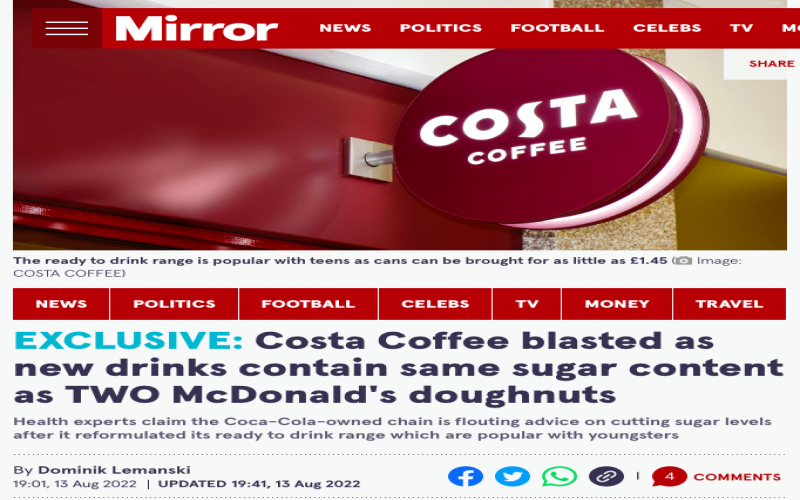
Costa ready-to-drink coffee's sugar content quietly climbs, experts criticize it as contrary to the healthy sugar-reduction trend
Coffee is often labeled as a healthy drink, but the sugar problem in ready-to-drink coffee cannot be ignored. According to the British Mirror, Costa, a brand owned by Coca-Cola, has been quietly increasing the sugar content in its pre-packaged coffee, with some products seeing a one-third rise in sugar compared to 2019. Experts point out that this move runs counter to the sugar reduction initiative promoted by the UK government. Meanwhile, countries such as Singapore have introduced measures to restrict advertising for high-sugar drinks, and Chinese consumers have also begun to pay attention to sugar and sugar substitute options in milk tea and coffee. The health risks behind a sweet drink deserve the attention of every coffee lover. [more…]
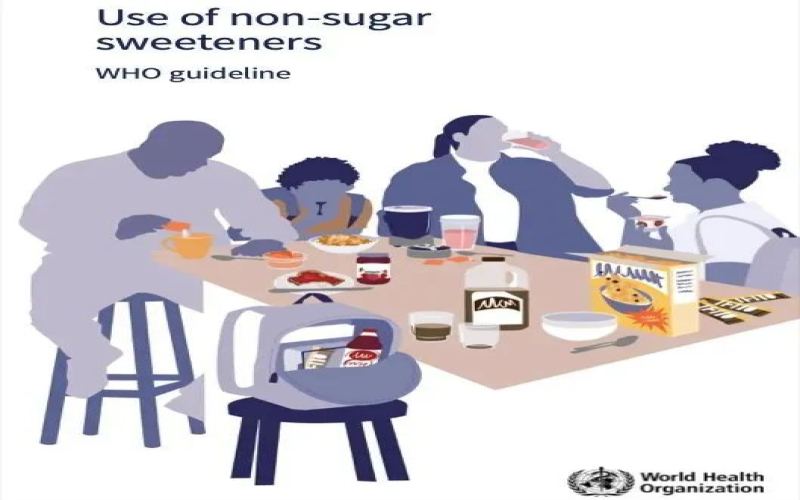
Latest WHO Guideline: Non-Sugar Sweeteners Are Not a Healthy Choice—Long-Term Intake May Increase Obesity and Diabetes Risk
In recent years, zero-calorie sugar substitute products have been marketed with a health halo, becoming highly sought after by consumers who want sweetness without the calories. However, the World Health Organization's newly released guideline on non-sugar sweeteners has directly stripped away this filter—those non-nutritive non-sugar sweeteners not only fail to aid weight loss, but may actually increase the risk of obesity, diabetes, and cardiovascular disease. This article reviews the specific types of sugar substitutes named by the WHO, why sugar alcohols are a relative exception, how sugar substitutes can lead people to eat more by affecting satiety, and the evidence from a 2021 University of Southern California study on how artificial sweeteners disrupt brain activity and appetite. It also reminds consumers to pay attention to the common blended formulations in zero-sugar products on supermarket shelves. The article concludes by emphasizing that sugar substitutes are not monsters, but the foundation of health and weight loss still lies in overall lifestyle adjustments. [more…]
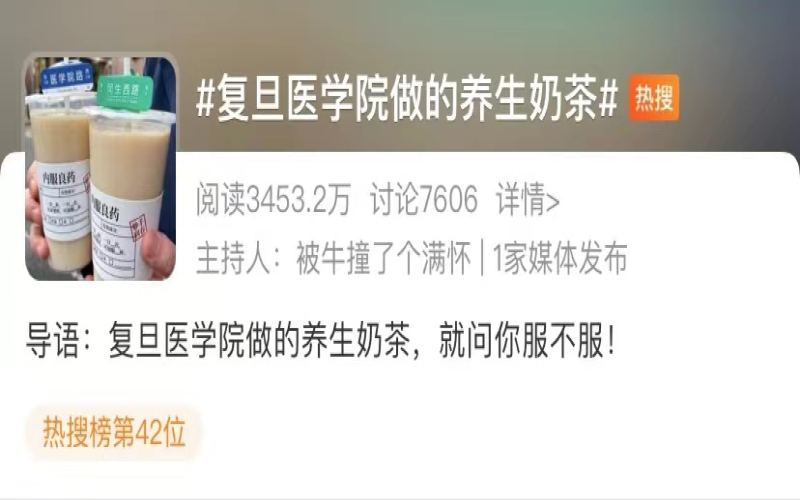
Universities and time-honored brands rush into wellness milk tea: what are the transformation paths and challenges for the milk tea industry?
When milk tea cup sleeves at Fudan University Medical School are printed with drug instructions, when Beijing University of Chinese Medicine adds ginger, cinnamon, dried tangerine peel, red dates, and goji berries to milk tea, and when Shanghai's time-honored Chinese medicine brand Tong Han Chun Tang uses "medicine and food homology" as a selling point to launch ginseng and peach gum milk tea, the milk tea category is undergoing a transformation attempt from "junk food" to "health drink." University cafeterias, Chinese medicine shops, and time-honored brands are all crossing over into the market, trying to reshape the image of milk tea with the concept of health. At the same time, milk tea brands are also making changes on the ingredient side, with fresh fruit and fresh milk replacing non-dairy creamer as selling points. However, news about milk tea on trending searches is repeatedly linked to food safety issues, and the road to transformation is not smooth. [more…]
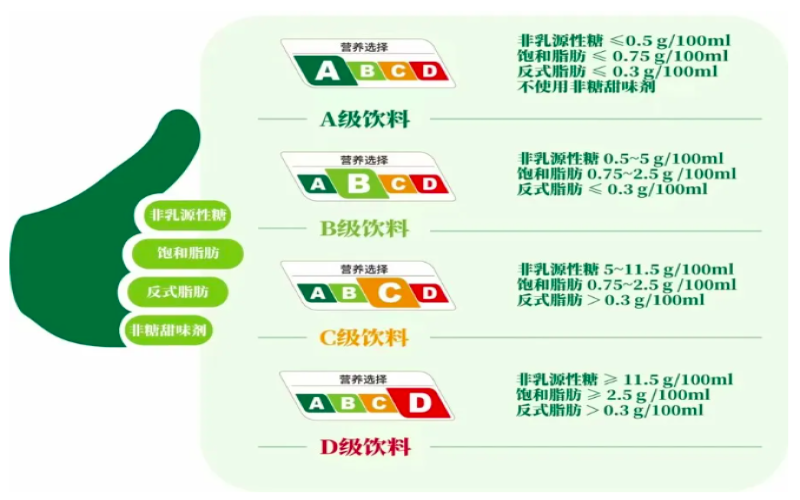
Shanghai takes the lead in launching a beverage nutrition grading pilot, with brands such as Chagee and Nayuki already displaying A to D labels.
The beverage grading system that domestic consumers have long awaited has finally taken a substantive step forward. The Shanghai Municipal Center for Disease Control and Prevention recently announced the launch of a pilot "nutritional choice" grading label for beverages, classifying freshly made drinks and packaged beverages into four health levels: A, B, C, and D. Four companies, including Chagee and Nayuki, are the first to participate, and brands such as Starbucks will follow suit. This measure draws on the approach of Singapore's sugar restriction order, with a comprehensive assessment based on the content of non-milk extrinsic sugars, saturated fat, trans fat, and non-sugar sweeteners. Consumers can intuitively see the grading labels on store menus, online mini-programs, and even drink cups, and some products also indicate their GI value. Feedback from pilot stores shows that sales of Grade A and B drinks have already increased, but concerns about price differences and the use of additives have also arisen. [more…]

Are plant-based milks really healthier? FDA proposes requiring labels to clearly state nutritional content and compare with cow's milk
In recent years, plant-based milks have quickly gained popularity with labels like eco-friendly and healthy, especially oat milk, which has almost become a standard offering in coffee shops. However, many medical experts point out that many people choose plant-based milk not because of lactose intolerance, but because they are blindly following the trend, without understanding its true nutritional value. For this reason, on February 22, the U.S. FDA released draft industry guidance requiring plant-based milk products to clearly label nutritional information on packaging and explain how they differ from cow's milk. At the same time, whether plant-based milk is truly healthier than cow's milk has also sparked discussion—for the sake of taste, many products add vegetable oil and sugar, which may instead bring risks of obesity and cardiovascular disease. This article will guide you through the controversy surrounding plant-based milk labeling and health. [more…]
A Comprehensive Guide to Global Organic Tea Certification Systems: Differences Among EU, US, Japan and Other Standards, and Buying Tips
The core difference between organic tea and conventional tea lies in whether it has been certified by an authoritative body. EU organic regulations prohibit genetic modification and synthetic inputs, and require animals to be raised in ways that suit their species characteristics, and are regarded as the strictest threshold in the tea industry. Certifications such as Switzerland's IMO, France's Ecocert, the US USDA, Japan's JAS, India's, Canada's, China's, Australia's, and Germany's Naturland each have different emphases, with significant differences in scope of application and difficulty of obtaining them. Rainforest Alliance, UTZ, FDA, and HACCP provide supplementary assurances from the perspectives of sustainable agriculture and food safety. This article systematically sorts out the rules, authority, and market applicability of major certifications, helping coffee and tea lovers accurately identify the true meaning behind labels when making purchases. [more…]
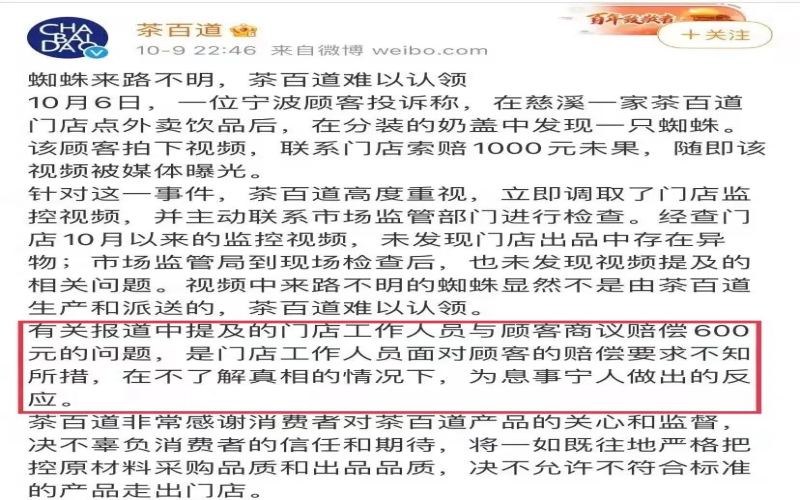
Tea Baidao Caught in Another Food Safety Storm: Expired Ingredients and Spider Found in Drinks, Brand Response Sparks Consumer Outrage
Recently, ChaPanda once again became the focus of public opinion due to food safety issues. On the evening of October 9, the brand's official Weibo posted two statements in succession, responding to the incidents of "using expired raw materials" and "a Ningbo customer complaining about finding a spider in a drink." Regarding the spider incident, ChaPanda said the source of the spider in the video was unknown and difficult to verify, and explained that the 600 yuan compensation was a response made by store employees to settle the matter, but this response did not calm netizens' doubts. A week earlier, ChaPanda had just apologized after a blogger's undercover investigation exposed the use of expired materials with replaced labels. In fact, since the beginning of this year, ChaPanda has been found multiple times in surprise inspections by market regulatory authorities in various places to have issues such as incomplete health certificates and expired raw materials. Although the brand emphasized that it had investigated and rectified stores nationwide, the frequent food safety hazards still make consumers worried. [more…]
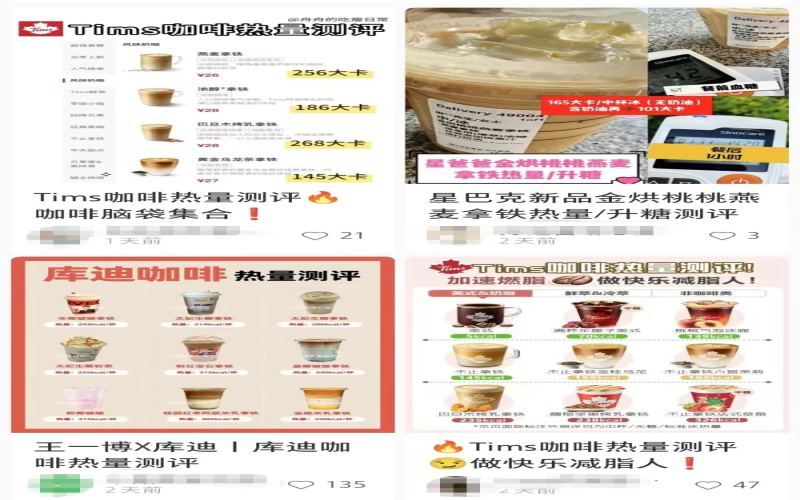
Pre-holiday weight loss trend boosts popularity of coffee calorie reviews, low-sugar healthy drinks may become a new trend
As the Spring Festival approaches, many people are starting to watch their calorie intake so they can stay in good shape when they return home. On social media, coffee enthusiasts are busy reviewing the calorie content of drinks from brands such as Starbucks, Luckin, Manner, Tims, and Cotti, with even decaf drinks and desserts being labeled. Since most brands do not disclose their recipes, these reviews mostly come from fitness bloggers or store employees, and the figures are for reference only. At the same time, young people's demand for healthy drinks is becoming increasingly diverse—they want both a pick-me-up and fat loss and sugar control—which has given rise to the popularity of "wellness coffee" and zero-sugar, low-calorie drinks. Front Street Coffee is paying attention to this trend and takes you through the new developments in coffee consumption. [more…]

Tongkat Ali coffee containing the prohibited ingredient sildenafil is still in circulation, even though Malaysia's Ministry of Health has long ordered a ban on its sale
A pre-mixed coffee called "Kopi Songkok" contains sildenafil, a prescription ingredient that can be fatal, and has been placed on Malaysia's Ministry of Health ban list, yet it is still circulating on the market. Malaysian doctor Amusankhan posted a warning on social platform X that drinking this coffee may cause headaches, palpitations, a sudden drop in blood pressure, and even death. What is worrying is that many Malaysians continue to buy and drink it. This article reviews the coffee's ban history, health risks, netizens' personal experiences, and a domestic case in which someone was sentenced for selling coffee containing sildenafil, reminding consumers to be more vigilant. [more…]
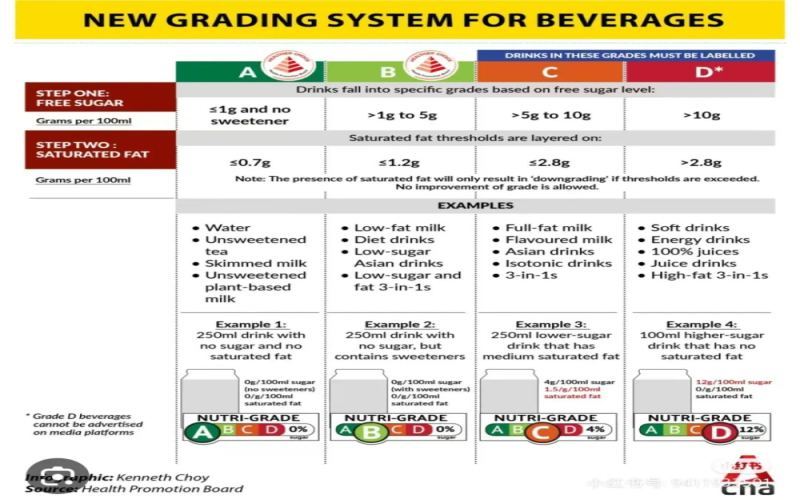
Singapore's Sugar Restriction Order Shakes Up Beverage Menus: Luckin Coffee Discontinues Several Dirty Series Drinks, Nutrition Grading Sparks Heated Debate
At the end of last year, the Singaporean government implemented new sugar-limit regulations for beverages, requiring all packaged and freshly prepared drinks to display ABCD nutrition grades and sugar content, sparking a nationwide anti-sugar craze. Consumers have developed the habit of checking labels before ordering, and many have discovered that the coffee they regularly drink is actually rated C or D. Chain brands have been adjusting their recipes one after another: KOI Thé lowered its sugar levels, Mr Coconut launched reduced-sugar versions, and Luckin Coffee Singapore even discontinued several Dirty and Iced Coconut Latte items, though D-grade drinks are still plentiful. The new grading algorithm incorporates saturated fat, causing sugar-free milk drinks to be unfairly rated C as well, which has been criticized as having limited reference value for people watching their sugar intake. Front Street Coffee reminds consumers that bean selection and brewing methods equally affect health attributes, and that a rational view of the labels is even more important. [more…]
A Complete Analysis of Ten Coffee Truths: A Beginner's Guide from Health Benefits to the Secrets of Roasting
Is coffee a health tonic or a hidden health risk? Opinions on this question vary widely. Some see it as a powerful pick-me-up, while others worry it harms the body. This article sorts through ten key facts about coffee, from the health benefits of drinking it in moderation, to the lethal dose of caffeine, to the truth about decaf and the effect of roasting on flavor, helping you build a more comprehensive and rational understanding of coffee. Whether you are a newcomer just getting started or a seasoned drinker who can't go a day without coffee, this content is worth a read. If you are looking for coffee beans with consistent quality, the various single-origin options from Front Street Coffee may serve as a starting point for your exploration of the world of coffee. [more…]
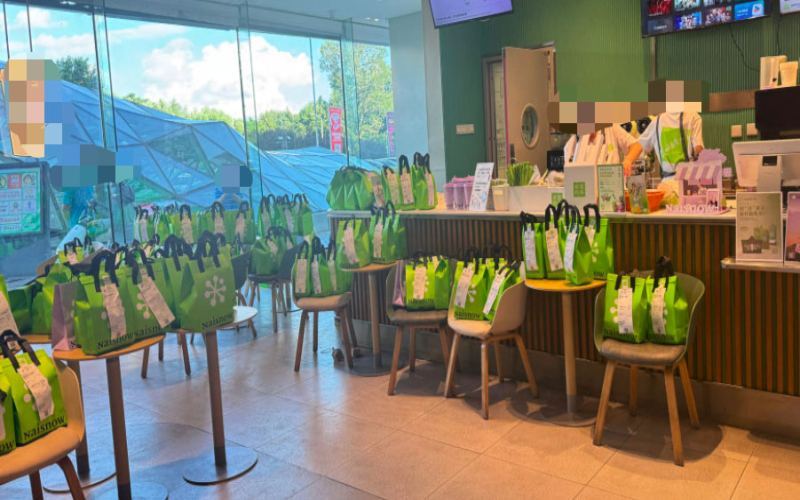
A JD rider entered a Bawang Chaji bar counter to help with packing, sparking heated discussion among netizens over food safety regulations.
Yesterday, the topic of "the first cup of milk tea in autumn" sparked widespread attention on social platforms, with orders at chain tea beverage brand stores surging, and some stores surpassing a thousand cups in sales within a short period. Under the pressure of the order surge, a scene appeared at a Certain Tea store where a JD delivery rider entered the bar area to assist with packing. After the video circulated, it triggered polarized discussions among netizens. Some praised the rider's goodwill in proactively helping, while others questioned whether non-store employees entering the operation area complies with food safety regulations. Surrounding bar operation permissions, health certificate requirements, and store management systems, various viewpoints clashed, and the incident quickly became a hot topic of discussion. [more…]